When does tax debt expire? How long does the IRS have to collect?
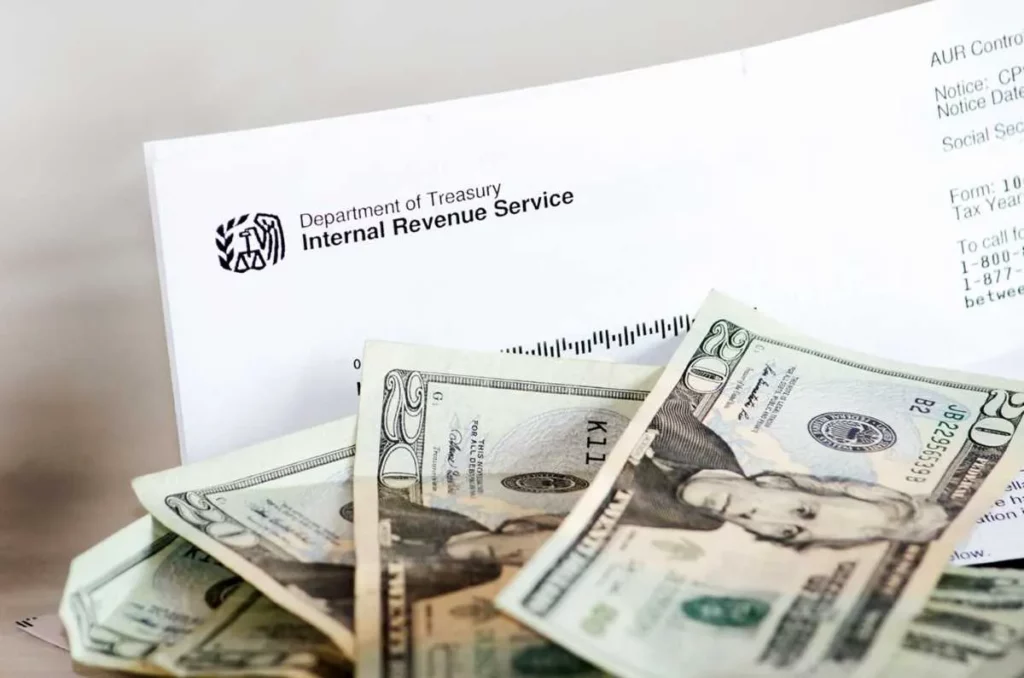
If you owe the Internal Revenue Service (IRS) back taxes, you may wonder whether IRS tax debt ever goes away, and how long the IRS can collect back taxes.
The good news? There’s a definitive time limit. Generally, the IRS is subject to a 10-year statute of limitations for collecting unpaid taxes. This law limits how long the government has to take legal action to recover a debt. If the IRS fails to collect your tax balance within this window, the debt—including penalties and interest—is legally unenforceable.
This 10-year deadline, officially known as the Collection Statute Expiration Date (CSED), marks when tax debt expires, your liability ends, and the IRS writes off your debt.
An important caveat: Certain actions taxpayers take, like filing for bankruptcy, can extend the SOL beyond the original 10-year deadline by temporarily pausing (or tolling) the CSED.
This overview covers the IRS 10-year statute of limitations and details you need to know. Want to get help dealing with the IRS now? Then, you need the services of our back tax attorneys.
Key Takeaways
- IRS 10-year rule: The IRS generally has 10 years to collect an assessed tax debt from a taxpayer.
- Collection statute expires: If the 10-year collection statute expires before the IRS collects the debt, the tax bill essentially disappears.
- Tax debt expiration: The debt expires on the Collection Statute Expiration Date (CSED).
- CSED extension: The IRS can’t collect after the CSED unless the taxpayer takes specific actions to pause (toll) or extend the deadline.
- Multiple CSEDs: A single tax year can have multiple CSEDs if the IRS makes several assessments (e.g., one from filing, one from a later audit).
How Long Does the IRS Have to Collect Back Taxes?
In most cases, the IRS has 10 years to collect an unpaid tax bill from you. This 10-year clock begins after the IRS formally assesses the tax against you. For example, if the IRS agrees to mark your account as currently not collectible (CNC) and the collection statute expires during that time, your tax bill will essentially disappear.
Want to find the expiration date for your tax debt? Use this free CSED calculator for a free estimate.
Multiple assessments mean multiple CSEDs
A single tax year can result in multiple CSEDs. The 10-year limit applies individually to each tax assessment. For example, if you file your 2023 taxes on April 15, 2024, your CSED for that balance is April 15, 2034. However, if the IRS completes an audit on August 1, 2025, and determines that you owe an additional $500, a new CSED for that $500 starts and doesn’t expire until August 1, 2035.
Events That Pause or Extend the 10-Year Collection Window
Many taxpayers may wonder, “Can the IRS collect after 10 years?” The short answer is yes—but only if the 10-year collection window was legally paused or “tolled” at some point. Legally, the IRS may suspend or extend the CSED if you take certain actions. Doing so extends the deadline beyond the original assessment date, giving the IRS more time to collect its debt.
The following actions may pause the CSED:
- Filing bankruptcy suspends the CSED from the date you file until your case is closed, dismissed, or discharged, plus an additional six months.
- Filing an offer in compromise (OIC) pauses the clock while the IRS reviews your OIC application, and for an additional 30 days if the agency rejects the OIC.
- Applying for an installment agreement stops the clock while the IRS considers your request.
- Requesting a collection due process (CDP) hearing will suspend the CSED until a final decision is made and add a 90-day extension if the decision leaves fewer than 90 days on the countdown.
- Applying for innocent spouse relief pauses the CSED until the request is resolved.
- Appealing an IRS decision will halt the CSED for the duration of the appeals process.
- Serving in a combat zone or in military service will suspend a CSED for the length of service, followed by extensions upon return. Leaving the combat zone extends the CSED by 180 days; ending your military service extends it by 270 days from the date the military notifies the IRS.
- Spending an extended period outside the U.S., typically six months or longer, can suspend the CSED.
Pro tip: In some cases, the IRS may request that you sign a waiver to voluntarily extend the collection statute of limitations. Do not do so without first consulting a tax attorney.
How to Find Your Collection Statute Expiration Date
To determine your exact IRS CSED, you need to get and interpret your official IRS transcripts. These documents include the transaction codes with the assessment date and any tolling events that have paused or extended the 10-year period.
The IRS occasionally miscalculates this date, but a tax attorney can pull and read these complex codes to verify your true CSED and determine whether your tax debt is nearing its expiration.
IRS Time Limits at a Glance
A statute of limitations (SOL) is a law that sets a time limit for bringing a lawsuit or taking legal action, protecting people from defending against stale (old) claims as evidence and memories fade. For example, if the SOL for a personal injury claim is two years, the injured person must file their lawsuit within that timeframe or forever lose the right to sue. Here are the key IRS time limits you need to know:
| IRS Deadline / Statute | What It Covers | Typical Limit* |
|---|---|---|
| CSED | How long the IRS can collect an assessed tax debt | 10 years from assessment |
| Assessment / Audit Statute | Time to assess additional tax or audit a return | 3 years after filing; 6 years if significantly understated; unlimited for fraud or unfiled returns |
| Refund Statute | Time a taxpayer has to claim a refund or credit | Usually 3 years from the filing deadline |
| State Collection Statutes | State-level tax collection limits | Varies by state; often 10–20 years |
* Certain actions (like filing bankruptcy) can pause (toll) or extend these deadlines.
Other IRS Statutes of Limitations
In addition to the 10-year collection deadline, other SOLs govern the IRS’s authority to assess tax and the taxpayer’s right to a refund.
- SOL on tax assessments and audits: In most cases, the IRS has three years from the date a tax return was due or filed to assess a tax or audit your return. Reporting 25% or less of your income can extend the date to six years; there’s no audit statute of limitations in cases of fraud.
- Refund SOL: Taxpayers have up to three years from the filing deadline to claim a tax refund or two years after the tax is paid, if later. This rule applies to originally filed and amended returns.
When there’s no time limit
If you worry, “What happens if I don’t pay my taxes?” remember this rule:
- Unfiled returns: There’s no SOL on unfiled returns. The IRS can assess taxes related to unfiled returns at any time. If you don’t file, the 10-year collection clock never starts.
- Fraud: If you file a fraudulent or false tax return, there’s no time limit for the IRS to assess civil fraud penalties. Criminal fraud charges typically have a six-year statute of limitations, but that’s from the last affirmative action, not from the filing deadline.
Frequently Asked Questions (FAQs)
Do states have their own collection SOLs?
Yes. States’ SOLs vary, and the period and suspension/extension terms may differ from those of the IRS. Some states have up to 20 years to collect tax debts, twice as long as the IRS, while other states have shorter collection periods. For example, the Tennessee Department of Revenue has six years to collect taxes, once assessed.
Does IRS tax debt ever go away?
Yes, IRS tax debt can effectively go away. If the 10-year collection statute of limitations (CSED) expires before the IRS can successfully collect the taxes through levies, garnishments, or seizures, the back taxes are legally eliminated.
Can the IRS collect back taxes after 10 years?
The IRS can collect after 10 years only if the original 10-year clock was paused (tolled) or extended by a specific event. These events (e.g., filing for bankruptcy, submitting an offer in compromise, or requesting an appeal) are usually initiated by the taxpayer.
How long does the IRS have to collect back taxes?
The IRS generally has 10 years to collect back taxes, beginning on the date the tax was assessed. However, tolling events may result in the actual collection period exceeding 10 years.
Why is the IRS still trying to collect after 10 years?
If the IRS is still attempting to collect a debt older than 10 years, it’s usually because the statute of limitations was tolled (paused) or extended at some point. It’s also possible that the IRS simply miscalculated the expiration date. CSED calculation errors are very common.
How far back can the IRS go to collect taxes?
For filed returns, the IRS has three years to audit and assess a tax and 10 years from the assessment date to collect it. For unfiled tax returns, the IRS can go back an unlimited number of years to assess the tax because the clock does not start until the return is filed.
Can the collection expiration date work to your advantage?
Although it’s very rare to be able to wait out the IRS’s 10-year collection period, there are ways to leverage the deadline to your advantage. In particular, if you don’t have enough money to pay in full or afford the minimum payment on an installment agreement, you may qualify for a partial payment arrangement. That lets you pay low monthly payments, and any remaining tax expires on the CSED.
What should I do if I’m close to the CSED?
If you’re close to the CSED, consider consulting with a tax attorney before taking action. Sometimes, tax debt simply expires, but if you try to handle the case on your own or work with an inexperienced pro, you may end up setting up payments or a settlement on tax debt that was likely to expire. An experienced tax resolution professional can help you identify the best strategy for your situation.
Get Help With IRS Tax Collections
Don’t let the complex rules surrounding your IRS collection statute expiration date (CSED) leave you stressed and uncertain about what to do next. Contact Damiens Law at (601) 202-4745 or visit our website to schedule a no-obligation consultation.
We can pull and read your IRS transcripts, verify your true CSED, correct any IRS miscalculations, and determine whether your tax debt is, in fact, approaching expiration. Let’s solve your tax problem before it worsens.


