
Innocent Spouse Relief Assistance in Memphis, TN: Expert IRS Tax Debt Relief and Eligibility Guidance
Tax liabilities arising from joint filings present distinct legal and financial risks. Innocent Spouse Relief permits an individual to seek exemption from tax liabilities attributable to a spouse’s actions when the individual lacked knowledge of, and did not benefit from, those actions. This page explains the eligibility standards applicable in Memphis, the procedural steps to submit a request, and the benefits of retaining experienced tax-relief counsel. It also summarizes complementary IRS programs, addresses common questions, and describes how to arrange a consultation for case evaluation.
What Are the IRS Innocent Spouse Relief Eligibility Requirements in Memphis?
Innocent Spouse Relief protects taxpayers who did not know about, and did not benefit from, tax understatements on joint returns. Qualification depends on statutory and administrative criteria, including the type of return filed and the specific facts that gave rise to the tax liability. A clear understanding of these requirements is necessary before filing a request.
Who Qualifies for Innocent Spouse Relief Under IRS Guidelines?
To qualify for Innocent Spouse Relief under IRS guidelines, individuals must have filed a joint tax return with their spouse. The key criteria include:
- Joint Tax Return: The couple must have filed a joint return for the tax year in question.
- Lack of Knowledge: The individual must prove that they did not know, and had no reason to know, that there was an understatement of tax.
- Unfair Liability: The tax liability must be attributable to the other spouse’s actions, such as unreported income or improper deductions.
The statute and IRS guidance limit relief to taxpayers who can demonstrate noninvolvement and a lack of constructive knowledge about the understatement.
Empirical research further underscores the factual complexity the IRS considers when adjudicating equitable innocent spouse claims and the importance of professional analysis.
Equitable Innocent Spouse Relief: IRS Decisions & Attorney Roles
The study surveyed a national sample of tax professionals using vignettes that presented equitable relief scenarios to evaluate whether the revised equitable relief subset aids IRS decision-making. It examined ethical and gender considerations in equitable relief cases and concluded that several equitable-relief factors serve as useful discriminators in relief determinations. The findings have implications for businesses, IRS examiners, certified public accountants, and attorneys, and for other jurisdictions considering reforms that balance equitable relief against tax revenue objectives.
Professionals’ tax liability assessments and ethical evaluations in an equitable relief innocent spouse case, G Fleischman, 2003
How Does Spouse Tax Debt Responsibility Affect Eligibility?
The allocation of tax responsibility under joint filing rules affects relief eligibility. Generally, both spouses are jointly and severally liable for tax assessed on a joint return. A spouse may obtain relief if factual evidence shows they lacked knowledge of the understatement and did not benefit from the items giving rise to the liability. Typical circumstances include concealment of income or deliberate misinformation by the other spouse.
- The other spouse concealed income or assets.
- The individual was misled about the tax situation.
Careful documentation of these circumstances is essential when asserting a claim for relief.
How to Apply for Innocent Spouse Relief: Step-by-Step Process in Memphis
The application process for Innocent Spouse Relief is procedural and document-driven. Applicants must compile supporting evidence and follow IRS filing requirements precisely to preserve their claim.
What IRS Forms and Documentation Are Required for Application?

Applicants must file IRS Form 8857, Request for Innocent Spouse Relief. Supporting documentation typically includes the relevant tax returns, financial records, and any correspondence with the IRS that pertains to the assessed liability.
- IRS Form 8857: This form initiates the request for relief.
- Supporting Documents: Tax returns, financial documents, and any correspondence with the IRS related to the tax debt.
Assemble contemporaneous records, financial statements, and any evidence of concealment or misrepresentation to substantiate the claim.
What Are the Typical Timelines and IRS Processing Steps?
Processing times vary based on case complexity and IRS workload. Applicants should expect an initial review period, potential requests for additional documentation, and a subsequent determination once the IRS completes its analysis.
- Initial Review: The IRS usually takes 6-12 weeks to review the application.
- Communication: The IRS may contact the applicant for additional information during this period.
- Final Decision: Once all information is reviewed, the IRS will issue a decision regarding the relief request.
Maintaining organized records and responding promptly to IRS inquiries improves the efficiency of the review process.
What Are the Benefits of Hiring Tax Relief Lawyers in Memphis for Innocent Spouse Cases?
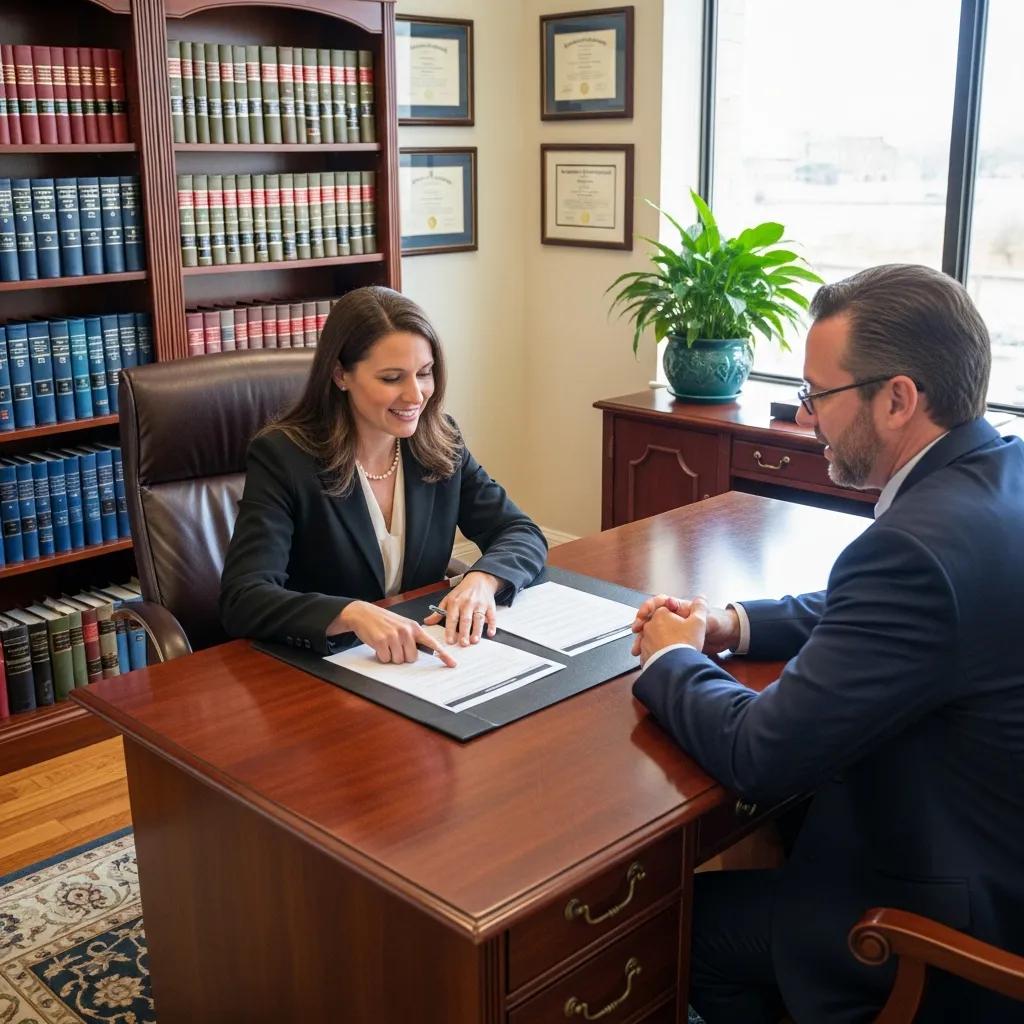
Engaging a tax relief attorney provides technical expertise in statutory interpretation, evidentiary presentation, and procedural advocacy. Counsel can assess eligibility, assemble corroborating documentation, and represent the client in communications with the IRS.
How Does Legal Representation Improve IRS Negotiation Outcomes?
Tax relief lawyers possess the expertise to navigate IRS negotiations effectively. Their benefits include:
- Expert Guidance: Attorneys understand the nuances of tax law and can provide tailored advice.
- Proving Your Case: Legal professionals can help gather and present evidence to support the claim.
- Stress Reduction: Having a lawyer handle communications with the IRS alleviates the burden on the individual.
Professional representation enhances the clarity and persuasiveness of the factual record, which can improve negotiation outcomes and administrative determinations.
What Personalized Services Does Damiens Law Firm Provide?
Damiens Law Firm, PLLC focuses on tax relief matters, including Innocent Spouse Relief. The firm provides case-specific planning, audit advocacy, and dispute resolution tailored to each client’s circumstances.
- Tax Planning: Developing strategies to minimize future tax liabilities.
- Audit Representation: Providing support during IRS audits.
- Tax Dispute Resolution: Assisting clients in resolving disputes with the IRS effectively.
These services are designed to offer comprehensive legal support throughout the relief process and beyond.
Which Common IRS Tax Relief Programs Complement Innocent Spouse Relief in Memphis?
Several IRS programs may intersect with Innocent Spouse Relief and affect overall case strategy. Identifying complementary options helps determine the most appropriate relief pathway for each factual scenario.
How Do Bankruptcy and Innocent Spouse Relief Interact?
Bankruptcy filing can alter the posture of outstanding tax liabilities and may affect the relevance or necessity of an Innocent Spouse Relief claim. The relationship depends on the nature of the tax debt and the timing of the bankruptcy proceeding.
- Discharge of Tax Debts: Certain tax debts may be discharged in bankruptcy, affecting the need for Innocent Spouse Relief.
- Eligibility Considerations: Individuals must consider how bankruptcy filings may influence their eligibility for relief.
Consultation with a tax attorney will clarify how bankruptcy law interacts with relief options in the applicant’s specific case.
What Estate Planning Strategies Mitigate Spouse Tax Liability?
Targeted estate planning measures can reduce future exposure to joint tax liabilities. Such measures focus on separating financial responsibilities and documenting intent to limit marital liability.
- Keeping Finances Separate: Maintaining separate accounts can clarify individual tax responsibilities.
- Prenuptial Agreements: Establishing agreements that outline financial responsibilities can protect against future liabilities.
- Filing Status Decisions: Choosing the appropriate filing status can impact tax liabilities.
Adopting these strategies provides clearer allocation of financial obligations and can limit the potential for future joint tax assessments.
Frequently Asked Questions
What are the potential consequences of not applying for Innocent Spouse Relief?
Declining to pursue Innocent Spouse Relief may leave an individual legally liable for tax assessments arising from a joint return. Consequences can include wage garnishment, tax liens, enforced collection actions, and accrual of interest and penalties. Financial strain and prolonged administrative or legal exposure are additional risks for persons who do not seek available relief.
Can Innocent Spouse Relief be applied retroactively?
Relief requests may be pursued for prior tax years, subject to statutory and administrative time limits. Generally, applicants should file within the IRS-prescribed period—commonly within two years of the IRS initiating collection against the individual—although specific circumstances can affect eligibility for older returns. A tax professional can evaluate deadlines relevant to a particular case.
How does Innocent Spouse Relief differ from Separation of Liability Relief?
Innocent Spouse Relief and Separation of Liability Relief serve distinct functions under IRS rules. Innocent Spouse Relief is available where one spouse lacked knowledge of an understatement and did not benefit from it. Separation of Liability Relief apportions tax liability between spouses for the year of a joint return so each is responsible only for their share of the deficiency. Proper selection depends on the underlying facts and the desired legal outcome.
What happens if my application for Innocent Spouse Relief is denied?
A denial does not foreclose further action. Applicants may pursue the IRS administrative appeal process and submit additional evidence or legal arguments. Retaining counsel is advisable to assess the denial, prepare appeal materials, and identify alternative relief mechanisms available under the Internal Revenue Code.
Are there any fees associated with applying for Innocent Spouse Relief?
The IRS does not charge a fee to file Form 8857. However, applicants who retain tax attorneys or other professionals will incur advisory or representation fees. These costs vary with case complexity and the scope of services provided, and should be weighed against the potential financial benefit of obtaining relief.
Can I receive Innocent Spouse Relief if I am currently divorced from my spouse?
Divorce does not automatically preclude eligibility. Relief is determined based on the circumstances at the time the joint return was filed and the statutory criteria for lack of knowledge and lack of benefit. Therefore, divorced individuals may qualify if they meet the IRS requirements.
Can I Apply for Innocent Spouse Relief Without a Lawyer?
Applicants may submit Form 8857 without legal representation. Nonetheless, engaging a qualified tax attorney can improve case presentation, ensure compliance with procedural requirements, and increase the likelihood of a favorable determination in complex matters.
What Recent IRS Policy Updates Affect Innocent Spouse Claims?
Recent IRS policy adjustments have focused on increasing practitioner outreach and refining procedural workflows for relief claims. These changes can influence awareness and administrative handling of Innocent Spouse requests.
- Increased Awareness: The IRS has made efforts to improve awareness of Innocent Spouse Relief options.
- Streamlined Processes: Recent policy changes aim to streamline the application process, making it more accessible for individuals seeking relief.
Applicants should monitor guidance updates and consult counsel to assess the impact of policy changes on their case.
How to Schedule a Consultation for Innocent Spouse Relief Assistance in Memphis
To schedule a consultation, assemble key case information and contact the firm to arrange an appointment for case evaluation.
What Should I Prepare Before Contacting Damiens Law Firm?
Before contacting Damiens Law Firm, gather a concise summary of the tax issues, relevant tax returns, and any IRS correspondence. Prepare specific questions to address during the initial consultation.
- Details of Tax Situation: A clear overview of the tax issues at hand.
- Relevant Tax Documents: Copies of tax returns and any correspondence with the IRS.
- Questions for the Attorney: Prepare a list of questions to ensure all concerns are addressed during the consultation.
Providing organized documentation and clear questions will make the initial consultation more productive and allow counsel to assess possible relief strategies efficiently.
How Does the Consultation Process Work?
The consultation typically begins with an intake discussion to identify facts and objectives, followed by a preliminary legal assessment and recommended next steps based on the client’s circumstances.
- Contacting the Firm: Individuals can reach out to schedule an appointment.
- Free Consultation Details: Many firms offer a free initial consultation to discuss the case.
- Next Steps After Consultation: Following the consultation, the attorney will outline the next steps based on the individual’s situation.
Understanding the consultation sequence helps applicants prepare and ensures that subsequent legal action proceeds in a structured manner.


